Author name: Barrister Garn T.

Thai barrister and licensed lawyer (Thailand Lawyer Licence No. 3417/2553 / ใบอนุญาตให้เป็นทนายความ No. 3417/2553), Siam Center Law Group.

Time-barred debt lawsuit proceedings under Thai civil law and statute of limitations in Thailand

Can a Time-Barred Debt Still Be Enforced in Thailand?

A time-barred debt in Thailand does not automatically prevent a creditor from filing a lawsuit. Under Thai civil law, the statute of limitations operates as a personal defense that must be properly raised by the debtor. This article explains how prescription periods work, why creditors still sue expired debts, and how legal strategy determines the outcome in Thai courts.

Can a Time-Barred Debt Still Be Enforced in Thailand? Read More »

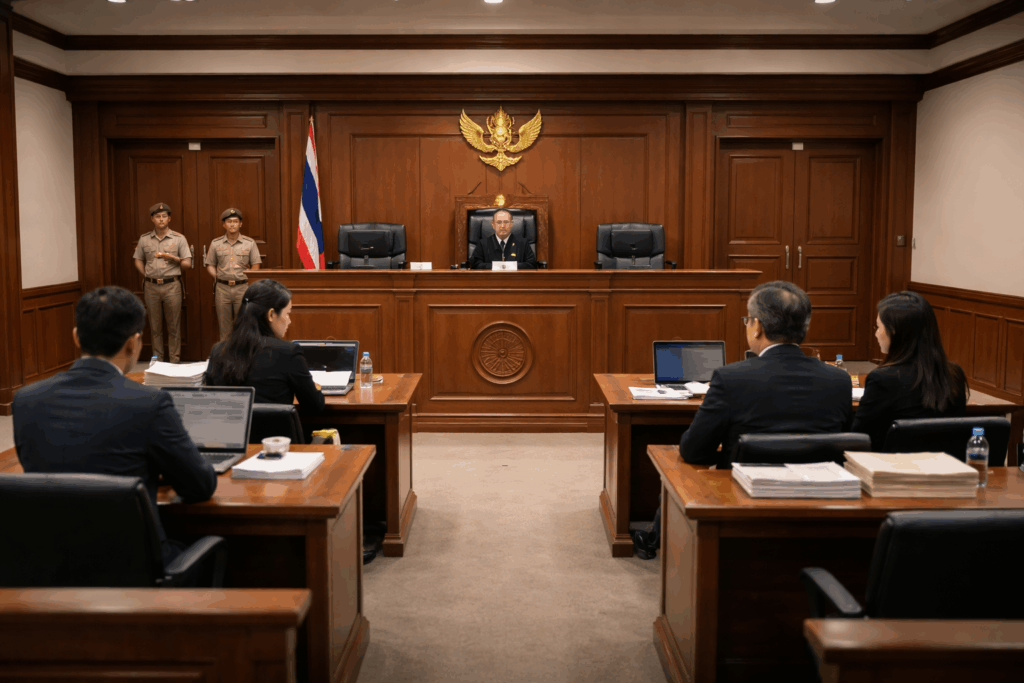
Thai courtroom with judge and lawyers during a closed court hearing in Thailand

Closed Court Hearing in Thailand: A Comprehensive Legal Guide

Understanding a closed court hearing in Thailand is essential for anyone involved in sensitive legal matters. While most court proceedings are open to the public to ensure transparency, the Thai legal system allows certain hearings to be held privately to protect privacy, safety, and dignity. Cases involving family disputes, sexual offenses, minors, or high-profile individuals are often heard in closed sessions. If you are navigating such a case, consulting a lead law firm in Bangkok can help you prepare formal requests, present evidence, and comply with court procedures. This guide explains when courts may close hearings, how to request a closed session, confidentiality rules, and the impact on judgments and appeals, providing clarity for clients and legal professionals alike.

Closed Court Hearing in Thailand: A Comprehensive Legal Guide Read More »

Legal advice on reclaiming family assets from spouse in Thailand

How to Reclaim Family Assets from a Spouse: A Legal Guide in Thailand

Facing a situation where your spouse is using family assets to support someone outside the marriage can be stressful. Under Thai law, you have the legal right to reclaim family assets from a spouse, but certain conditions and procedures must be followed. This guide explains how marital property is protected, what constitutes misuse of assets, the correct legal steps to file a revocation lawsuit, who should be included in the case, and the types of evidence that can strengthen your claim. By understanding your rights and acting promptly, you can protect and restore your family assets. Our law firm specializes in guiding clients through these complex cases, ensuring that statutory deadlines are met and your property is fully recovered.

How to Reclaim Family Assets from a Spouse: A Legal Guide in Thailand Read More »

Picture of a couple discussing property division without marriage in Thailand with a lawyer in office setting

Property Division Without Marriage in Thailand: A Legal Guide for Cohabitating Couples

Property Division Without Marriage in Thailand: A Legal Guide for Cohabitating Couples   In Thailand, many couples live together as husband and wife without a marriage certificate. For such couples, property division without marriage in Thailand is a complex legal matter. Unlike registered marriages, where Family Law governs the equitable distribution of assets, cohabiting partners

Property Division Without Marriage in Thailand: A Legal Guide for Cohabitating Couples Read More »

Child custody in Thailand legal factors used by Thai courts under family law

Child Custody in Thailand: 7 Key Legal Factors Thai Courts Use to Determine Custody Rights

Child custody in Thailand is decided based on the best interests of the child, not parental preference. This article explains the seven key legal factors Thai courts consider when determining custody rights, including the child’s age, primary caregiver, parental conduct, living environment, and the child’s wishes under Thai family law.

Child Custody in Thailand: 7 Key Legal Factors Thai Courts Use to Determine Custody Rights Read More »

Bail in Thai Criminal Courts – judicial consideration of temporary release under Thai criminal procedure

Bail in Thai Criminal Courts: Legal Principles, Judicial Discretion, and Practical Guidance

Bail in Thai Criminal Courts is governed by judicial discretion, balancing the presumption of innocence with risks of flight, interference with evidence, and public safety. This article explains the legal framework, court criteria, bail amounts, acceptable securities, and practical strategies for obtaining temporary release under Thai criminal procedure.

Bail in Thai Criminal Courts: Legal Principles, Judicial Discretion, and Practical Guidance Read More »

Amendment of pleadings under Thai Civil Procedure illustrating judicial discretion in civil litigation

Amendment of Pleadings under Thai Civil Procedure: Legal Principles, Limitations, and Judicial Discretion

The amendment of pleadings under Thai Civil Procedure allows parties in civil litigation to correct errors, clarify claims, and address newly discovered facts, subject to strict legal limitations and judicial discretion. This article explains the governing principles, statutory framework, timing requirements, and strategic considerations relevant to amending statements of claim and defence in Thailand.

Amendment of Pleadings under Thai Civil Procedure: Legal Principles, Limitations, and Judicial Discretion Read More »

Early judicial determination of legal issues under Section 24 of the Thai Civil Procedure Code in Thai civil litigation proceedings

Early Judicial Determination of Legal Issues under Section 24 of the Thai Civil Procedure Code

Early judicial determination under Section 24 of the Thai Civil Procedure Code allows Thai courts to resolve civil disputes based solely on legal issues without proceeding to witness examination. This article provides an in-depth academic analysis of the legal principles, procedural requirements, judicial discretion, and strategic implications of invoking Section 24 in Thai civil litigation.

Early Judicial Determination of Legal Issues under Section 24 of the Thai Civil Procedure Code Read More »

Scroll to Top