
Closed Court Hearing in Thailand: A Comprehensive Legal Guide
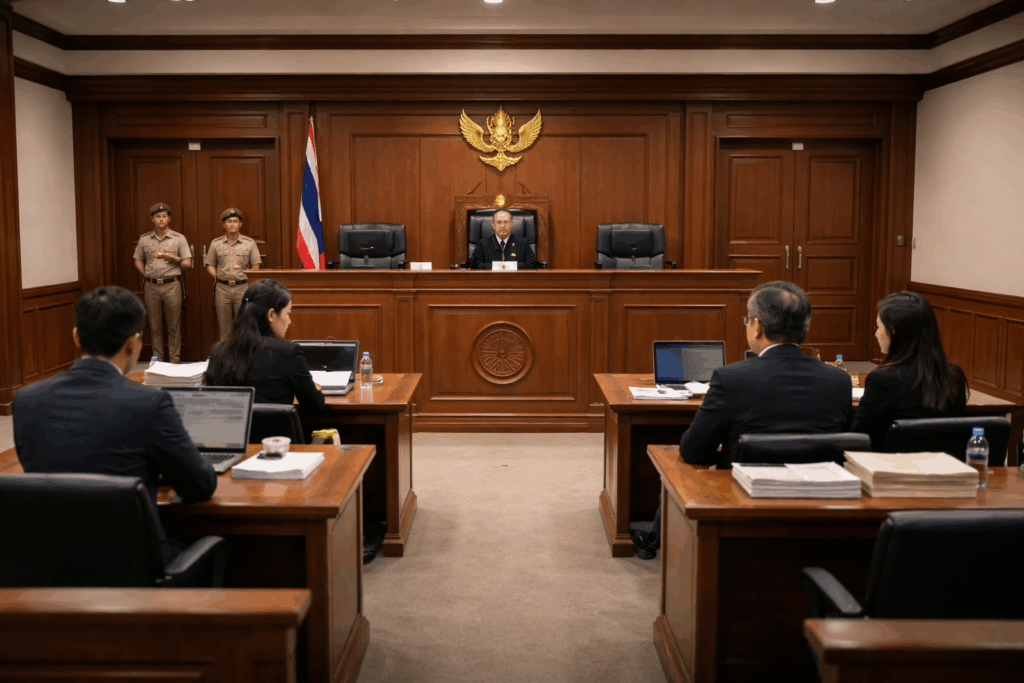
When dealing with sensitive legal matters, understanding how a closed court hearing in Thailand works is crucial for parties involved. Court proceedings are generally open to the public, ensuring transparency and public trust. However, in certain situations, the court may hold a hearing in private to protect the rights, privacy, and safety of those involved. For anyone seeking expert legal advice, consulting a lead law firm in Bangkok can help navigate these complex procedures effectively.
This guide provides a thorough overview of the principles, procedures, and practical considerations surrounding closed court hearings in Thailand.
The Principle of Public Hearings in Thailand
Why Court Proceedings Are Generally Open
Thailand’s legal system, following both civil law traditions and international standards, emphasizes open court proceedings. This principle allows citizens to monitor judicial decisions, ensuring the system remains transparent and accountable.
The benefits of open hearings include:
-
Public oversight: Citizens can verify that legal processes are conducted fairly.
-
Transparency: Open hearings reduce the risk of corruption or procedural misconduct.
-
Trust in justice: By observing proceedings, the public gains confidence in the judicial system.
The Thai Courts Official Website provides further guidance on court transparency measures.
Rules for Attending Public Hearings
Anyone attending a public hearing must comply with strict rules:
-
No photography or video recording
-
No audio recording
-
No interruptions or disruptive behavior
Violation of these rules can lead to charges of contempt of court, highlighting the seriousness of maintaining order and respect during legal proceedings.
When Can a Court Hold a Closed Hearing?
Legal Basis for Closed Hearings
Although public hearings are the standard, Thai courts have the discretion to hold closed hearings under certain circumstances. The law allows judges to prioritize privacy, dignity, and safety while balancing the need for public transparency.
The court may order a closed hearing when disclosure could cause undue harm, compromise safety, or affect the personal rights of involved parties. International standards, such as those described by UNODC – Judicial Systems, support such measures to protect vulnerable individuals in sensitive cases.
Typical Scenarios Requiring Closed Hearings
Closed hearings are common in the following situations:
-
Family law cases: Including adultery claims, child custody disputes, and inheritance matters
-
Sexual assault or sensitive sexual cases: Protecting victims’ privacy and dignity
-
Cases involving public figures: Where publicity could affect personal safety or reputation
-
Juvenile and child cases: By law, hearings involving minors are always closed to protect their identities and welfare
These categories reflect the court’s responsibility to safeguard personal rights while maintaining judicial integrity.
Balancing Public Interest and Privacy
Courts carefully evaluate the public interest against potential harm to parties when deciding whether to close a hearing. Public access may be restricted if it risks exposing sensitive information, but decisions must still align with transparency principles wherever possible.
How to Request a Closed Court Hearing
Who Can File a Request
A party to the case or their legal representative may submit a request for a closed hearing. This is especially important in matters involving privacy, safety, or sensitive information.
Preparing a Formal Request
To increase the likelihood of approval, the request should clearly explain:
-
Why the case should be heard in private
-
Potential harm or consequences if the hearing is public
Supporting evidence, such as risk assessments or expert statements, can strengthen the petition.
Court Discretion and Procedures
Upon receiving a request, the court considers several factors:
-
The necessity of confidentiality
-
The potential impact on public trust and transparency
-
Possible alternatives to full closure, such as partial restrictions
If granted, the court can:
-
Limit attendees to only essential parties, including lawyers, witnesses, and interpreters
-
Restrict media coverage or public disclosure
-
Impose additional measures to maintain confidentiality
A lead law firm in Bangkok can provide guidance on how to prepare and present such requests effectively, ensuring compliance with legal requirements.
Confidentiality During Closed Hearings
Who Can Attend
Closed hearings strictly control attendance. Only necessary participants, such as lawyers, witnesses, and interpreters, are allowed. Unauthorized individuals are prohibited from entering the courtroom.
Restrictions on Publication
During a closed hearing, information about the proceedings cannot be published, shared on social media, or broadcast. These measures protect the privacy and safety of involved parties.
Exceptions and Special Cases
In juvenile and family court cases, the identity of minors must remain confidential. Even the judgment may be restricted from public release, reflecting the heightened protection afforded to children under Thai law.
Impact of a Closed Court Hearing on Judgments and Appeals
Publication of Judgments
Even when the hearing is closed, judgments are generally published to maintain legal transparency. The key exception is cases involving minors, where confidentiality remains paramount.
Appeals and Record Keeping
Closed hearings do not prevent parties from appealing decisions. However, access to court records may be limited to protect privacy. Legal counsel ensures proper procedures are followed while preserving clients’ rights.
Practical Advice for Clients and Lawyers
Assessing Whether to Request a Closed Hearing
When deciding whether to request a closed hearing, consider:
-
Privacy concerns: Sensitive personal information may require protection
-
Public perception: Maintaining dignity and safety may outweigh the benefits of transparency
-
Legal strategy: Judges evaluate both the need for confidentiality and public interest
Working with Legal Counsel
A lead law firm in Bangkok can help clients prepare petitions, provide supporting evidence, and liaise with the court. Experienced lawyers anticipate challenges and present compelling arguments to secure approval for closed hearings.
Case Studies and Examples
Closed hearings are often approved in cases such as:
-
Sexual assault trials involving minors
-
High-profile divorce disputes with media attention
-
Sensitive inheritance cases requiring discretion
These examples demonstrate the court’s commitment to balancing public transparency with protection of individuals’ rights.
Conclusion
Understanding the rules and procedures for a closed court hearing in Thailand is essential for anyone involved in sensitive legal matters. While open hearings promote transparency and public trust, the court has discretion to close proceedings to protect privacy, safety, and dignity.
Engaging a lead law firm in Bangkok ensures that clients navigate this process efficiently, with proper legal representation and adherence to all court procedures.
For more information on Thailand’s legal system, visit the Thai Courts Official Website or refer to international guidance such as UNODC – Judicial Systems.